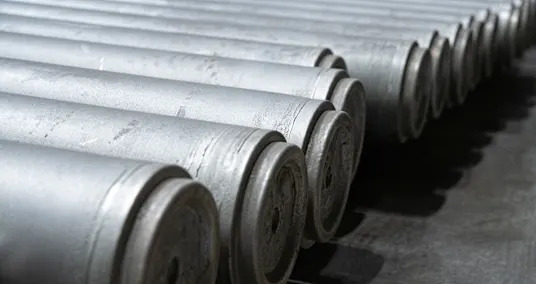
Fears of global aluminium shortages that could affect the production of clean energy technologies intensified after Iran struck two major Gulf aluminium producers, sending prices to a four-year high. The Middle East accounts for 9% of the world’s production of aluminum, which is essential to a wide range of industries from transportation, construction, and packaging, as well as the manufacture of solar panels, electrical transmission systems, wind turbines, and EVs.
Export shipments to the US and Europe had already come to a halt because of the effective closure of the Strait of Hormuz, and Morgan Stanley economists singled out aluminium as carrying a high level of risk across the value chain. Andy Farida, an aluminium analyst at Fastmarkets, told Semafor that high prices would be passed on to end-users, ultimately causing demand destruction. “A prolonged shutdown (with little to no alternative supplies other than Russia and China) could cripple the supply of aluminium to support the production of clean and green technology,” he said, adding that relief could come “if governments allow some sanctioned Russian and Chinese aluminium to be imported.”

latest_posts
- 1
 High Court weighs Assenheim appeal over release of Feldstein interview raw footage
 - 2Pick Your #1 game to observe
- 36 Novice Cameras for 2024: Ideal for New Picture takers
- 4An 'explosion' of solo-agers are struggling with rising costs and little support: 'I'm flying without a net'
- 5Meet the Artemis crew in NASA's first astronaut mission to the moon in more than a half-century




- Couch Styles of 2024: What's Moving
- Moon-bound Artemis II astronauts enjoy a relaxed day in space
- Muslim nations condemn new Israeli death penalty law
- Dozens of hidden star streams found in the outskirts of our Milky Way galaxy
- 2 bright planets light up April evenings — here's where and when to look
- Invigorating Spots To Go Kayaking All over The Planet
- Florence's Uffizi Gallery moves treasures to safety after cyberattack
- Volcanic eruption led to the Black Death, new research suggests
- ICAS calls for clearer safeguards in FRC’s TCA policy