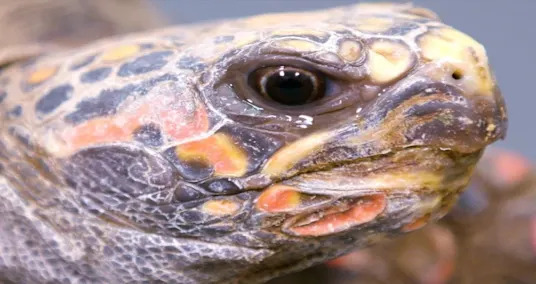
The radiated tortoise is one of the most striking reptiles on Earth, yet it is now facing a serious threat to its survival. Found only in the dry southern forests of Madagascar, this species has experienced a dramatic population decline over the past decade. Experts estimate that its numbers have dropped by nearly half, raising urgent concerns among conservationists. Known for its beautiful shell with bright yellow star patterns, the radiated tortoise is both visually unique and biologically remarkable. Its domed shell is not just protective but also sensitive, containing nerves and blood vessels that allow it to feel touch. These tortoises are also known for their exceptional longevity, with some individuals living well beyond a century. One recorded tortoise even reached an estimated age of 188 years, highlighting the species' long life cycle and slow reproduction rate. However, these same traits also make recovery from population loss extremely difficult, increasing the risk of extinction if current trends continue.
The primary drivers behind the decline of the radiated tortoise are human activities, particularly hunting and illegal trade. In parts of Madagascar, the tortoise is hunted for its meat, which is considered a delicacy despite legal protections. At the same time, its beautifully patterned shell has made it highly desirable in the illegal pet market. Conservation groups estimate that hundreds of thousands of these tortoises are removed from the wild each year, a rate that the population cannot sustain. The combination of poaching and trafficking has devastated natural populations and disrupted ecosystems where the species plays an important role. Without immediate intervention, experts warn that the radiated tortoise could face extinction within the next two decades. Conservation efforts are underway, focusing on habitat protection, stricter law enforcement, and raising awareness about the consequences of wildlife exploitation. The story of the radiated tortoise serves as a powerful reminder of how quickly human actions can threaten even the most resilient species. Protecting it will require global attention and long term commitment.
latest_posts
- 1
 Best bar-b-que Style: Which One Is Your Number one?
 - 2Insurance warning signs in doctors’ offices might discourage patients from speaking openly about their health
- 3The face is familiar, the name might not be. The king of "Hey, it's that guy!' roles is ready to show you his next act.
- 4Netflix’s Price Hikes Just Got Rejected by an Italian Court. Here’s Why It Matters Everywhere
- 5Geminid meteors streak under green sky | Space photo of the day for Dec. 19, 2025




- Very good quality Greens All over The Planet
- Banks for High Fixed Store Rates: Amplify Your Reserve funds
- New method spots signs of Earth's primordial life in ancient rocks
- One spent $20 on candy. Another paid $700 for a custom costume. Here's how Halloween costs stacked up this year.
- Gunmen open fire near Israeli consulate in Istanbul in possible ISIS-linked attack
- Investigate the Excellence of Professional flowerbeds: A Virtual Local escort
- A Gustav Klimt painting is now the most expensive piece of modern art sold at auction. The fascinating history behind the $236 million 'Portrait of Elisabeth Lederer.'
- Dutch police probe a small blast outside a pro-Israel Christian center
- Artemis II astronauts say they're "ready to go" for moon launch